
Medical Light Therapy
About us

Vionex Med Tech LLC is dedicated to advancing the science of light-based therapy through innovative, non-invasive solutions designed to support patient recovery, pain management, and overall wellness.
Our company specializes in Low-Level Light Therapy (LLLT) and Class II medical laser and LED technologies that promote healing, reduce inflammation, alleviate pain, and enhance circulation and tissue repair. All Vionex Med Tech devices are FDA-registered and engineered for safe, effective use both in clinical environments and at home—without the need for direct medical supervision.
By combining photobiomodulation and thermal therapy, our technology stimulates the body’s natural cellular processes, accelerating post-surgical recovery and improving musculoskeletal health, while also encouraging collagen production and skin rejuvenation for aesthetic benefits.
Our mission is to bridge the gap between clinical science and personal wellness, offering healthcare professionals and consumers alike a reliable, evidence-based approach to pain relief, rehabilitation, and regenerative health.
At Vionex Med Tech, we believe light is more than therapy; it’s a pathway to restoration and vitality
Products
-
![]()
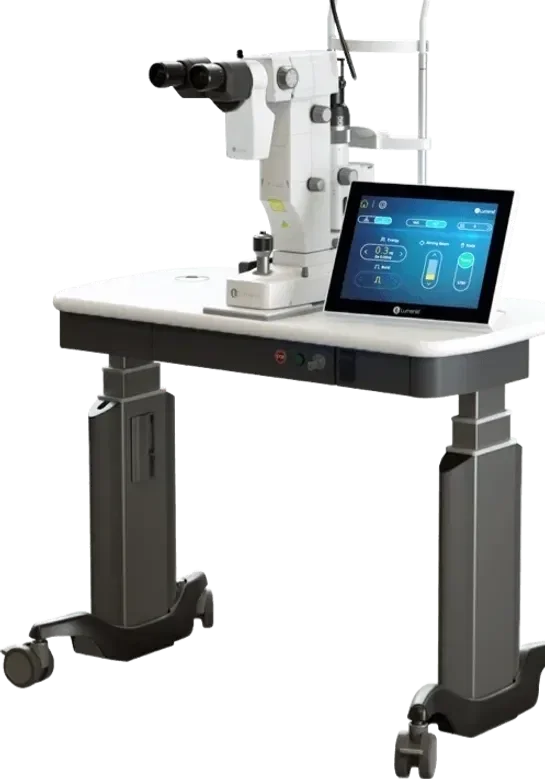
Optical Jet
-
![]()
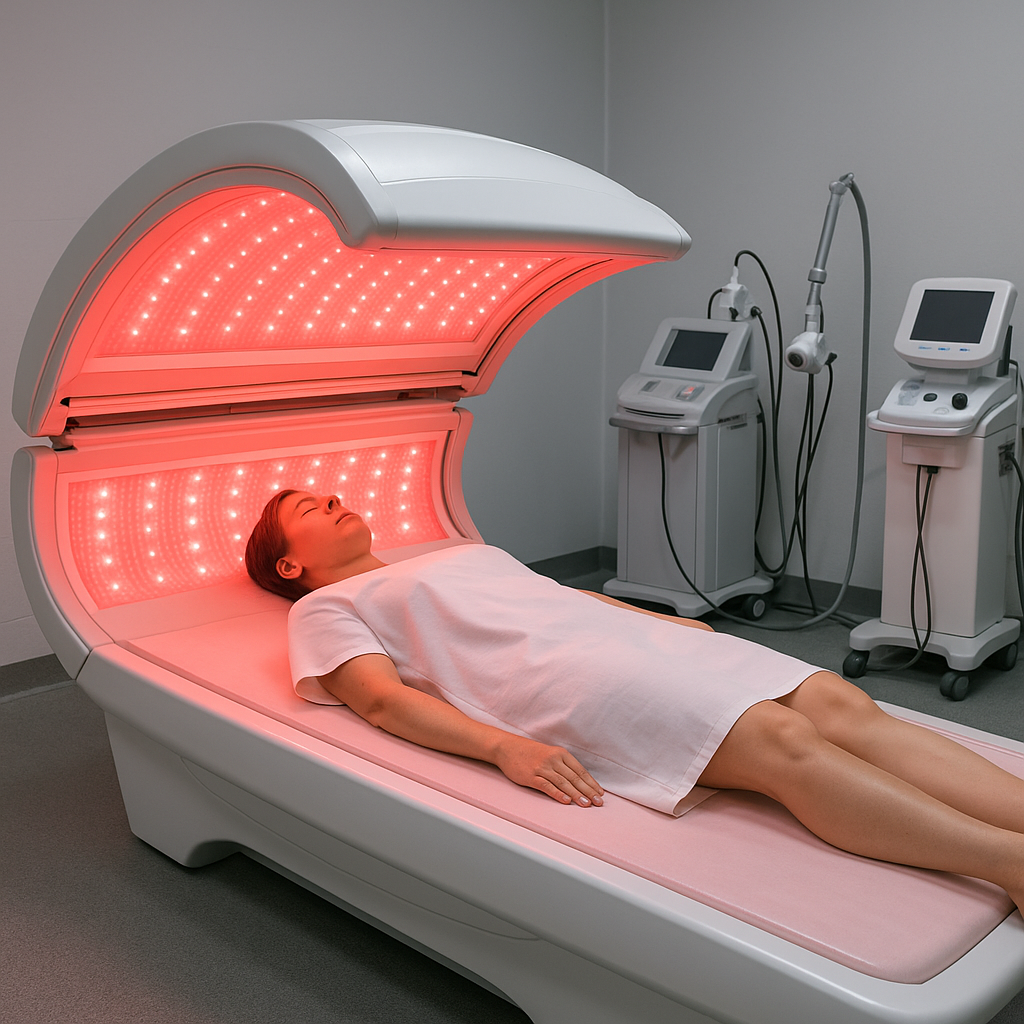
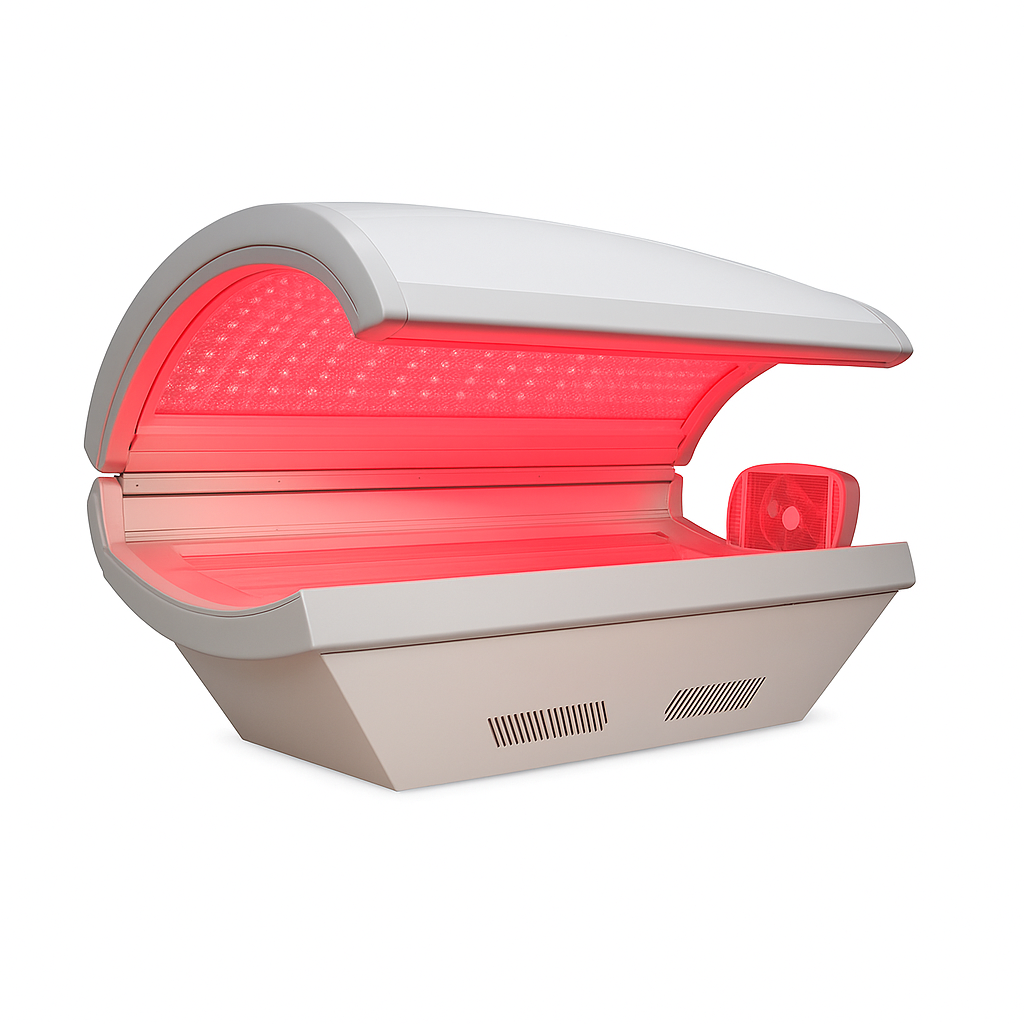
Biolumen Red Light Therapy Bed
-
![Blue Light Therapy Umbrella]()
Blue Light Therapy Umbrella
-
![]()
Laser Light Treatment
-
![]()
EMS Pain Relief
-
![]()
LED and Infrared Light Therapy Electrical Muscle Stimulation
-
![RF Slimming Device]()
RF Slimming Device




Light Therapy Types
-
Cellular Rejuvenation for Optimal Health
Red Light Therapy (RLT) is a non-invasive approach that harnesses specific wavelengths of light to stimulate cellular function, much like sunlight fuels photosynthesis in plants. At its core, Red Light Therapy enhances mitochondrial activity, increasing ATP (adenosine triphosphate) production, the biological energy currency essential for cellular repair, regeneration, and overall vitality.
A Natural Energy Boost for CellsJust as plants absorb sunlight to generate energy through photosynthesis, human cells absorb red and near-infrared (NIR) light to enhance ATP production. Red Light Therapy penetrates the skin and tissues, delivering photons that are absorbed by mitochondria. This process increases cellular energy, fuels essential biological functions, and accelerates recovery and regeneration, much like how a fully charged battery powers a device to function optimally.
-
Blue light has been shown to influence circadian rhythm regulation, supporting balanced sleep-wake cycles and sustained alertness during the day. It can enhance cognitive performance and mood by modulating neurotransmitter activity and promoting optimal brainwave patterns. Blue wavelengths also interact with cellular pathways involved in immune defense and detoxification, contributing to systemic balance and resilience.
-
Exposure to green wavelengths has demonstrated effects on the autonomic nervous system, helping to reduce stress responses and promote parasympathetic activity. Studies suggest green light may alleviate headache intensity and frequency by influencing pain signaling pathways and vascular tone. Additionally, it supports cardiovascular equilibrium and fosters a sense of internal calm and mental clarity.
-
Yellow light is associated with stimulation of the nervous and lymphatic systems, contributing to improved energy metabolism and detoxification. Its gentle wavelength range promotes relaxation while maintaining alertness, supporting both emotional stability and motivation. Yellow light exposure has also been linked to enhanced mood regulation and overall psychological well-being through its effects on neurochemical balance and systemic vitality.
-
Low-Level Light Therapy, also known as photobiomodulation, utilizes specific wavelengths of red and near-infrared light to stimulate cellular function without generating heat or tissue damage. At the mitochondrial level, LLLT enhances the production of adenosine triphosphate (ATP), the body’s primary energy currency, thereby improving cellular metabolism and performance. This increase in energy availability supports tissue repair, reduces inflammation, and promotes overall physiological balance. LLLT has been widely studied for its ability to accelerate recovery, improve musculoskeletal health, and enhance neurological and cognitive function through improved oxygenation and cellular communication.
Laser, Green, & Yellow Light Therapy
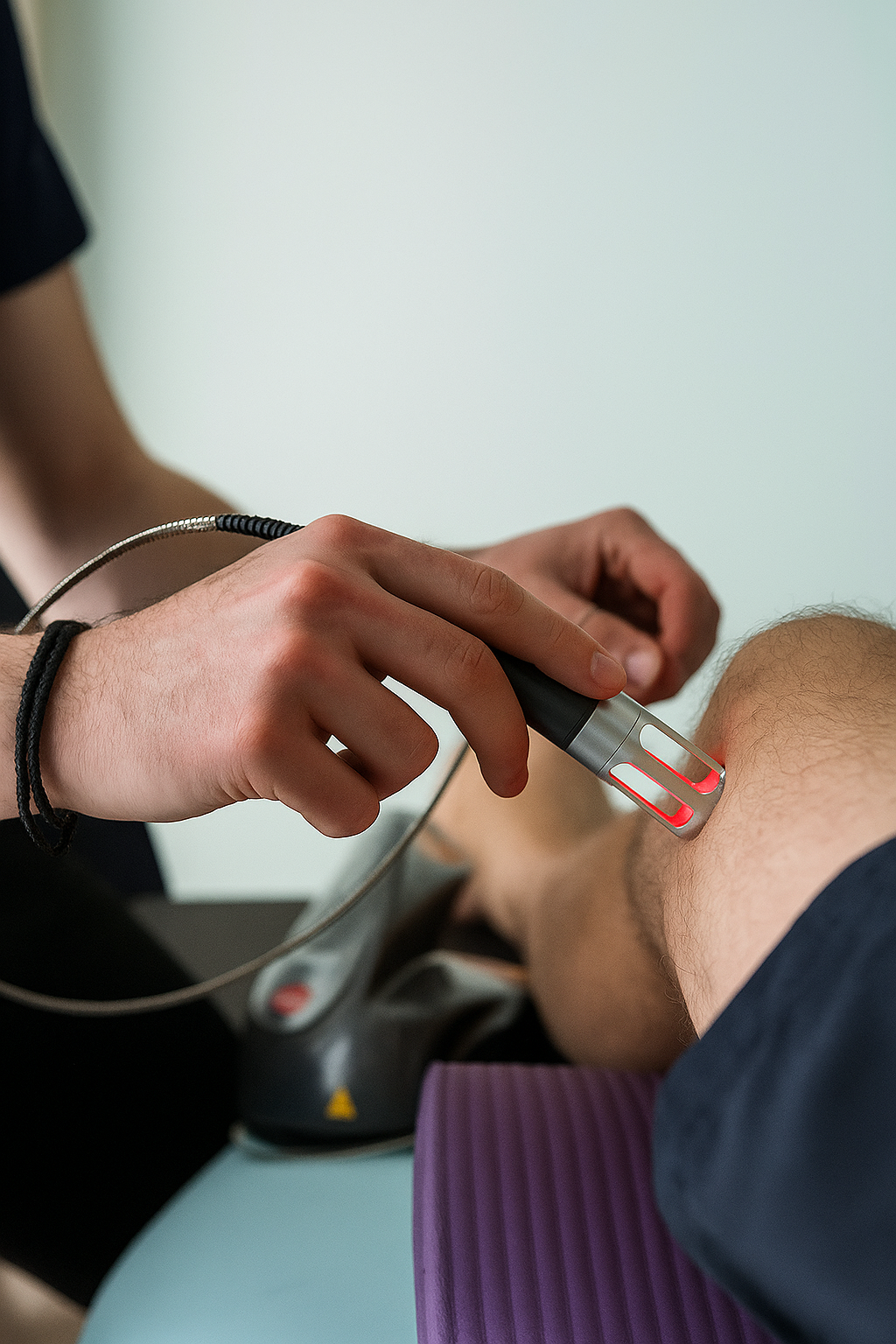
Laser and visible light therapies such as green and yellow light therapy are part of the broader field of photobiomodulation (PBM)—the therapeutic use of specific wavelengths of light to influence biological processes at the cellular level.
While red and infrared light penetrate more deeply into tissue and muscle, green and yellow light primarily affect the superficial and mid-level layers, interacting with cellular structures, microcirculation, and biochemical pathways involved in tissue repair and inflammation modulation…
5 Key Benefits
Of Red Light Therapy
-
![Icon of a person with crossed arms, surrounded by zigzag lines indicating pain or discomfort.]()
1. Pain Reduction
Reducing inflammation and modulating pain signaling, Red Light Therapy (RLT) effectively alleviates both acute and chronic pain.
-
![A stylized black and white icon of a petri dish with bacteria or microorganisms inside.]()
2. Boost Cellular Energy
Red Light Therapy enhances natural ATP production, powering your cells to fight fatigue, improve endurance, and sharpen mental clarity.
-
![A heart-shaped bandage with a band-aid design inside, featuring a black background and white outlines.]()
3. Accelerates Healing & Recovery
Improved circulation and oxygen delivery accelerate tissue repair, supporting faster recovery for muscles, joints, and skin.
-
![Line drawing of a human brain on a black background.]()
4. Cognitive & Neurological Enhancement
By energizing brain cells and optimizing mitochondrial function, RLT promotes focus, relaxation, and more restorative sleep.
-
![Illustration of a woman with a face mask and sparkle icons.]()
5. Anti-Aging & Skin Rejuvenation
Red Light Therapy stimulates collagen, reduces oxidative stress, and helps smooth wrinkles, revitalizing your skin from within.


Case Studies
Effects of Laser Therapy on Rheumatoid Arthritis | Effects of low-power light therapy on wound healing: LASER x LED | Low-level laser (light) therapy (LLLT) in skin: stimulating, healing, restoring
Effects of Laser Therapy on Rheumatoid Arthritis | Effects of low-power light therapy on wound healing: LASER x LED | Low-level laser (light) therapy (LLLT) in skin: stimulating, healing, restoring
Treatment of Melasma With Yellow Light Compared to Tranexamic Acid | Green light therapy shown to reduce migraine frequency, intensity | Mechanisms and Pathways of Pain Photobiomodulation: A Narrative Review
Treatment of Melasma With Yellow Light Compared to Tranexamic Acid | Green light therapy shown to reduce migraine frequency, intensity | Mechanisms and Pathways of Pain Photobiomodulation: A Narrative Review
Blue light therapy in the management of chronic wounds: a narrative review of its physiological basis and clinical evidence | Blue-Light Therapy for Seasonal and Non-Seasonal Depression: A Systematic Review and Meta-Analysis of Randomized Controlled Trials | 9 Clinical Studies that Demonstrate the Anti-aging Benefits of Infrared Light Therapy.
Blue light therapy in the management of chronic wounds: a narrative review of its physiological basis and clinical evidence | Blue-Light Therapy for Seasonal and Non-Seasonal Depression: A Systematic Review and Meta-Analysis of Randomized Controlled Trials | 9 Clinical Studies that Demonstrate the Anti-aging Benefits of Infrared Light Therapy.
Red Light Therapy for Animals: What the Science Actually Shows

Red light therapy—often called photobiomodulation (PBMT) or low-level laser therapy (LLLT)—uses specific wavelengths of red and near-infrared light (roughly 600–1100 nm) to influence how cells function. In veterinary medicine, it’s used mainly for:
Pain and inflammation (arthritis, back pain, soft-tissue injuries)
Wound and incision healing
Tendon and ligament injuries
Sometimes skin and hair-coat problems


